



Changing Your Dog's Food Safely: A Complete Guide for Irish Pet Owners

Changing your dog’s food isn’t unusual—whether it’s to suit your pet’s age, a health condition, or simply to try something better. No matter the reason, a gradual switch is key to a happy, healthy dog.
Top Reasons to Change Dog Food
Here are some of the most common reasons Irish pet owners change their dog’s food:
- Life stage: Puppies, adults, and seniors need different nutrition.
- Health issues: Allergies, digestive trouble, kidney or heart problems.
- Picky eating: Loss of interest in their current food.
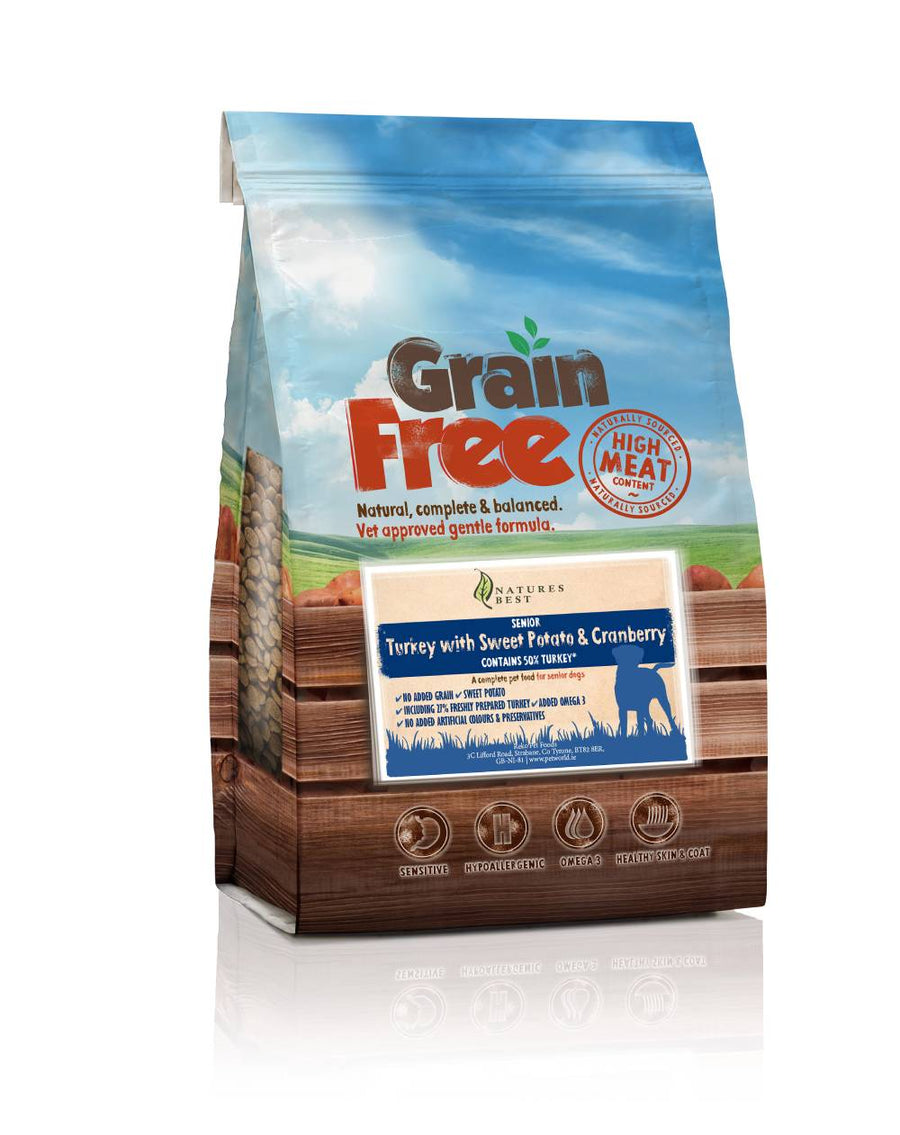
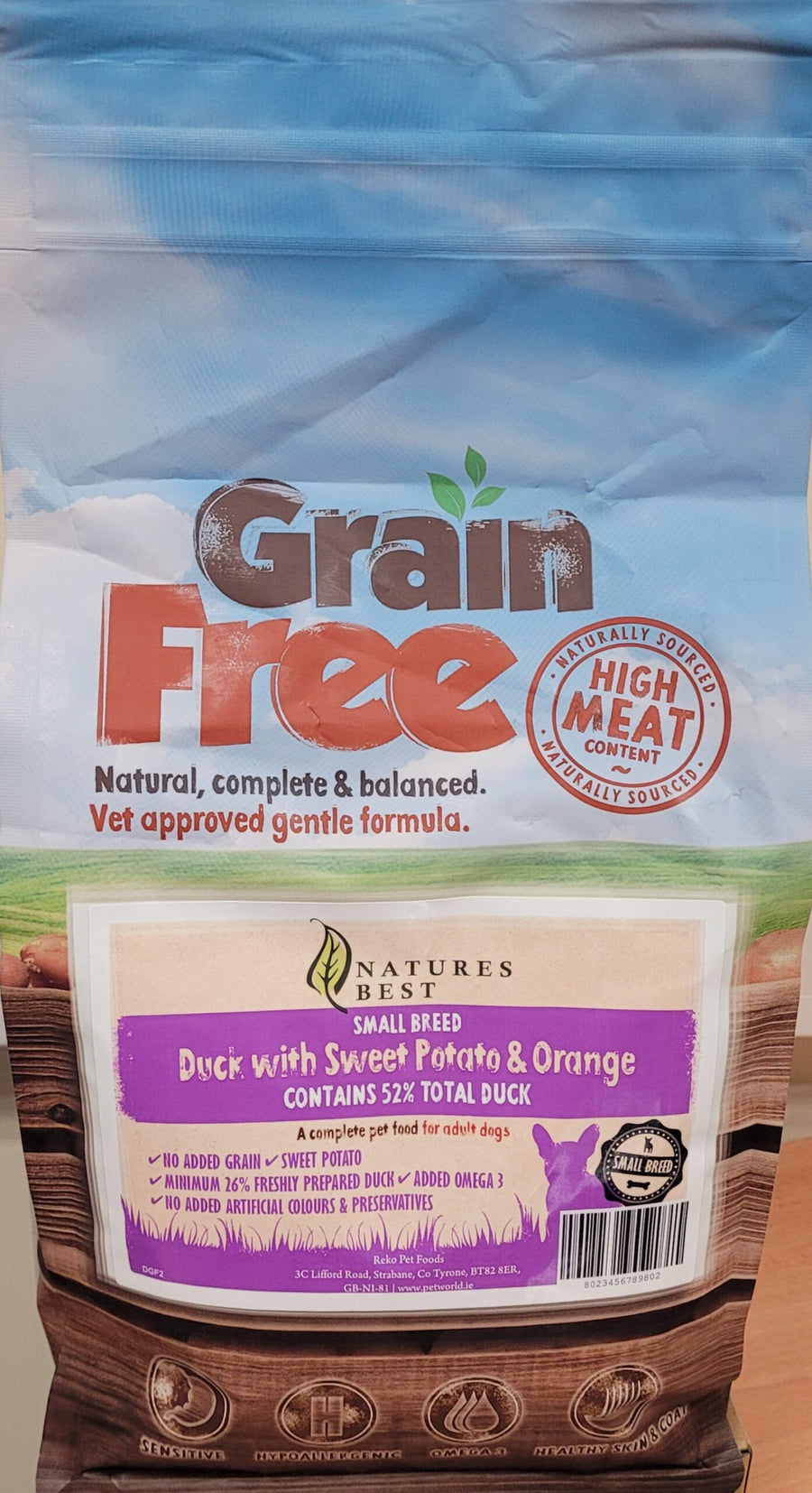
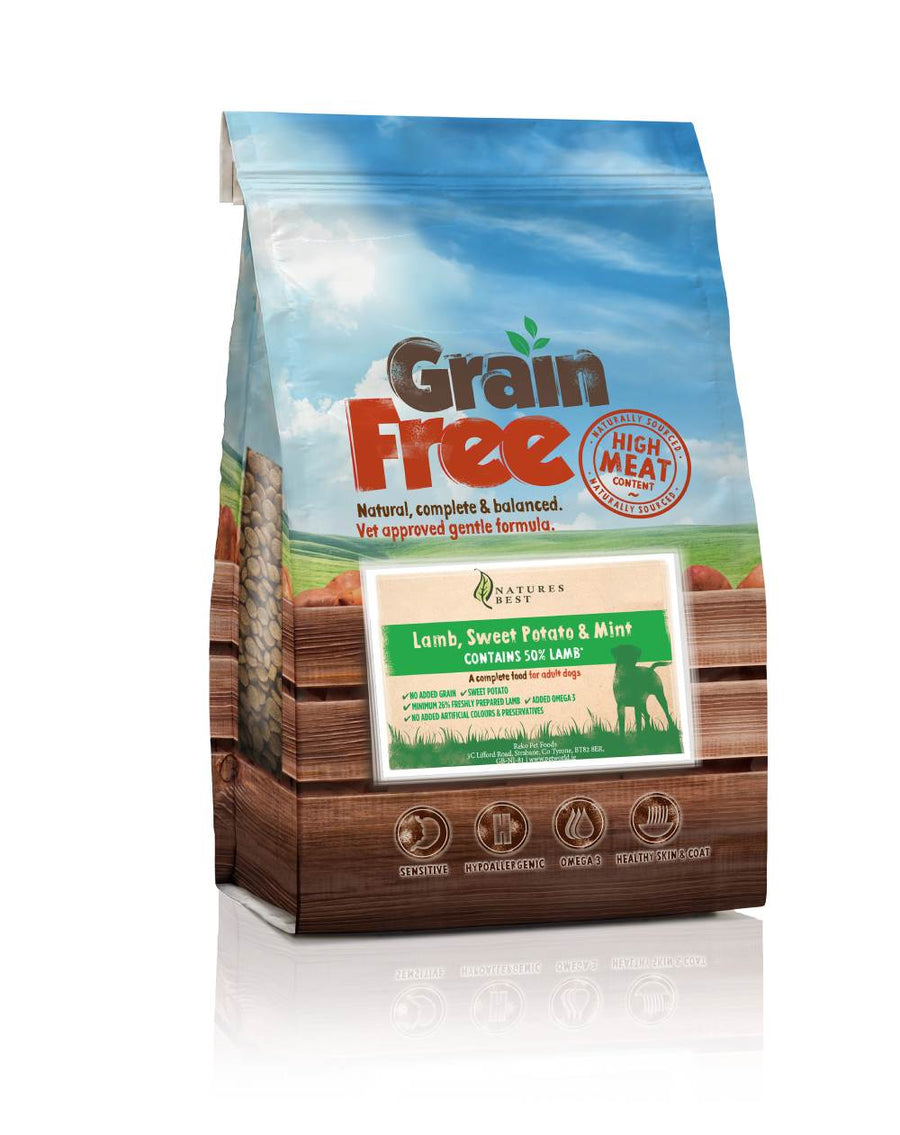
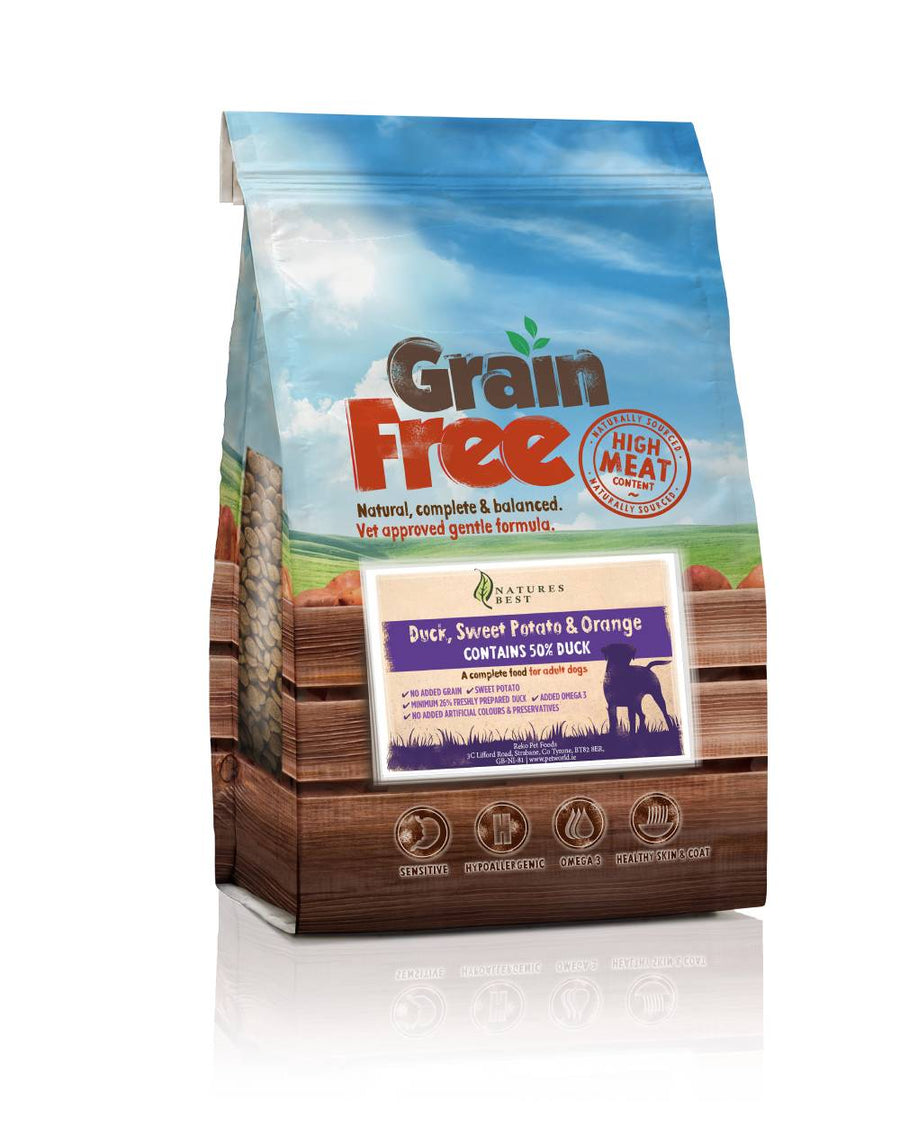
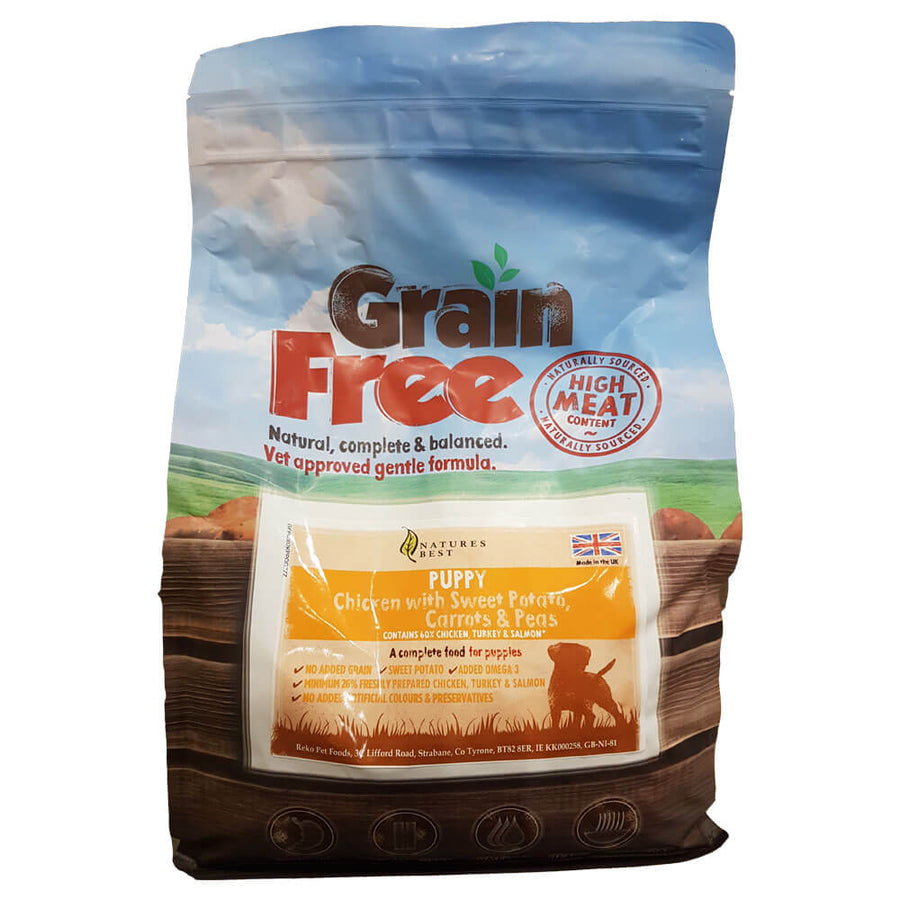
- Ingredient preference: Moving to grain-free, hypoallergenic, or natural recipes.
- Availability/cost: Your regular brand is out of stock or you find a better deal.
Whatever the reason, it is almost always best to follow a gradual dog food transition schedule when moving from one type of pet food to another:
How to Switch Foods Safely
Make any transition gradual—rushing can lead to upset tummies. Follow this 7-day schedule:
7 Day Transition Schedule
| Days | Old Food | New Food |
|---|---|---|
| 1–2 | 75% | 25% |
| 3–4 | 50% | 50% |
| 5–6 | 25% | 75% |
| Day 7+ | 0% | 100% |
Tip: Keep an eye on your dog’s appetite and stools—pause or slow down if you notice any digestive upset.
Pro Tips for a Smooth Transition
- Stick to regular feeding times for consistency.
- Avoid treats and table scraps during the switch.
- Tempt picky eaters with a little warm water or plain chicken (vet-approved).
- Always provide fresh water.
- For sensitive stomachs, switch to foods with similar main ingredients.
Red Flags — Call Your Vet If
- Vomiting or diarrhoea doesn’t resolve quickly.
- Blood appears in your pet’s stool.
- Your dog refuses to eat completely for more than 24 hours.
- You see any signs of allergies, such as itching, swelling, or hives.
How to Pick the Right Food
- Age & size: Puppy, adult, or senior; large vs. small breed.
- Medical needs: Allergies, skin/joint health, weight management.
- Ingredient preference: Grain-free, limited ingredient, or raw.
- Quality: Choose the best you can consistently afford.
Browse our full dog food range, including GAIN, Bakers and Red Mills Leader. Always consult your vet for personalised recommendations.
Final Thoughts
Switching your dog’s food should be slow, steady, and stress-free. Monitor your pet, go at their pace, and always consult your vet with concerns. You’ll soon find the perfect diet and have a happier, healthier dog as a result.
Disclaimer: Always get veterinary advice before making diet changes, especially for dogs with health issues. Visit Gary’s Pet World for product options and support.





Leave a comment